Home visiting interventions can impact children’s development with long-term health, education, and social benefits. Home visitors – be they professionals, paraprofessionals, or volunteers – must be highly prepared and well supported. Yet across sectors and countries, their motivation and capacity are threatened by inadequate training, burdensome workloads, lack of supervision, poor wages, and other adverse conditions.
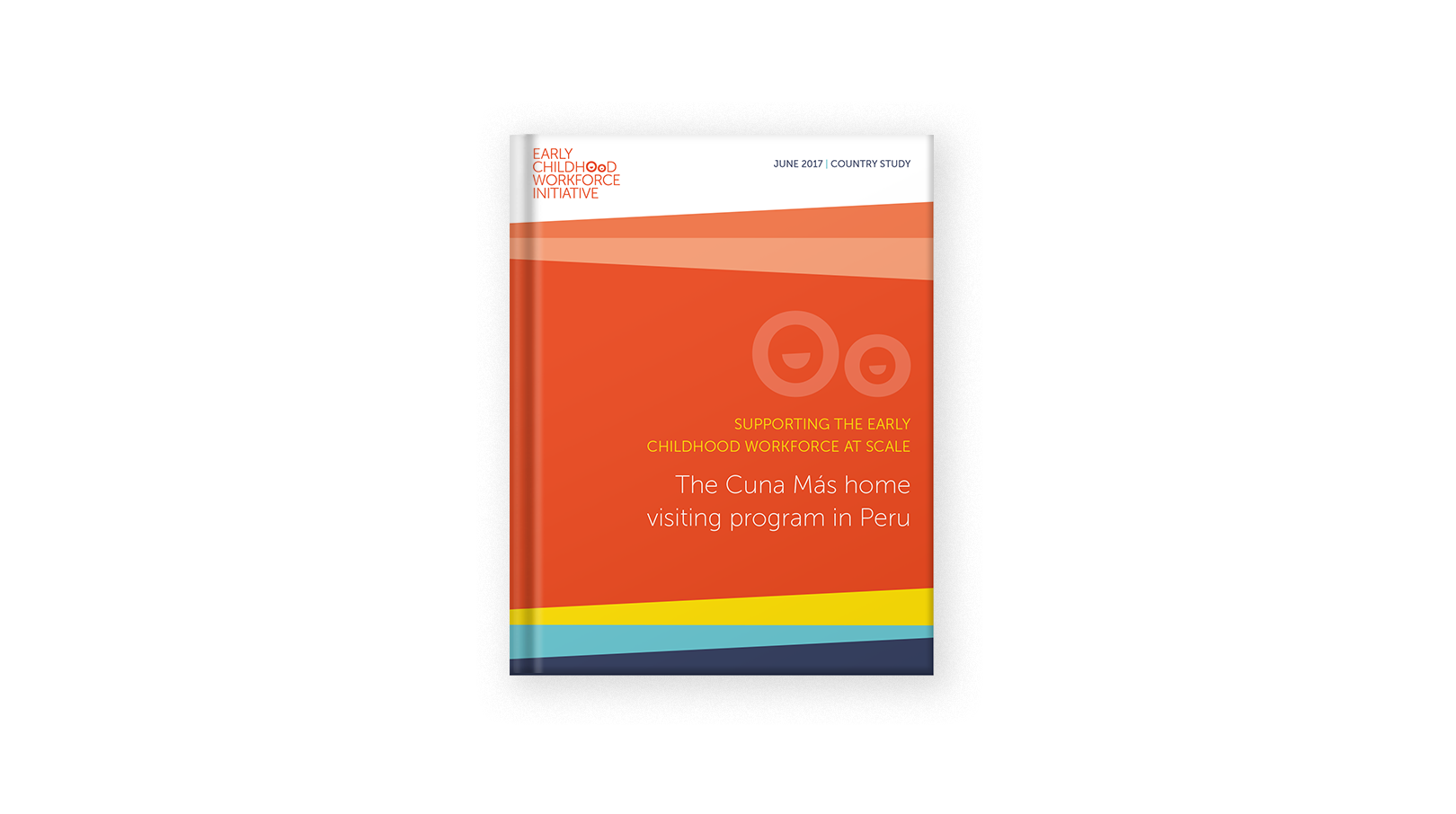
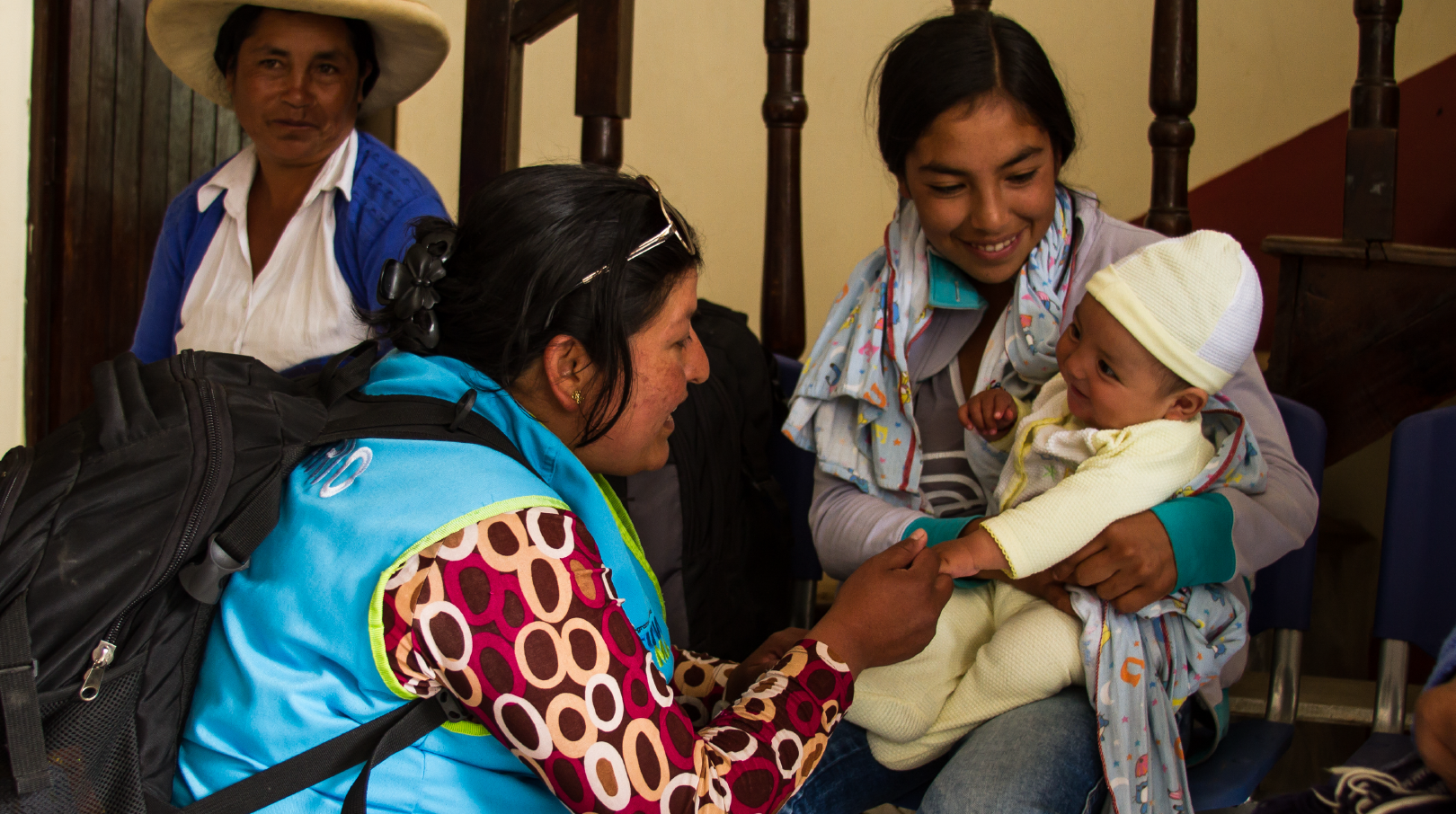
Cuna Más is a large-scale early childhood development programme established by the Ministry of Development and Social Inclusion in 2012 on the basis of the former Wawa Wasi programme. Cuna Más aims to support the holistic development of children under three living in poverty, improve families’ childrearing knowledge and practices, and strengthen attachments between caregivers and children.
This is the first in a series of case studies by the Early Childhood Workforce Initiative (ECWI).
 Report
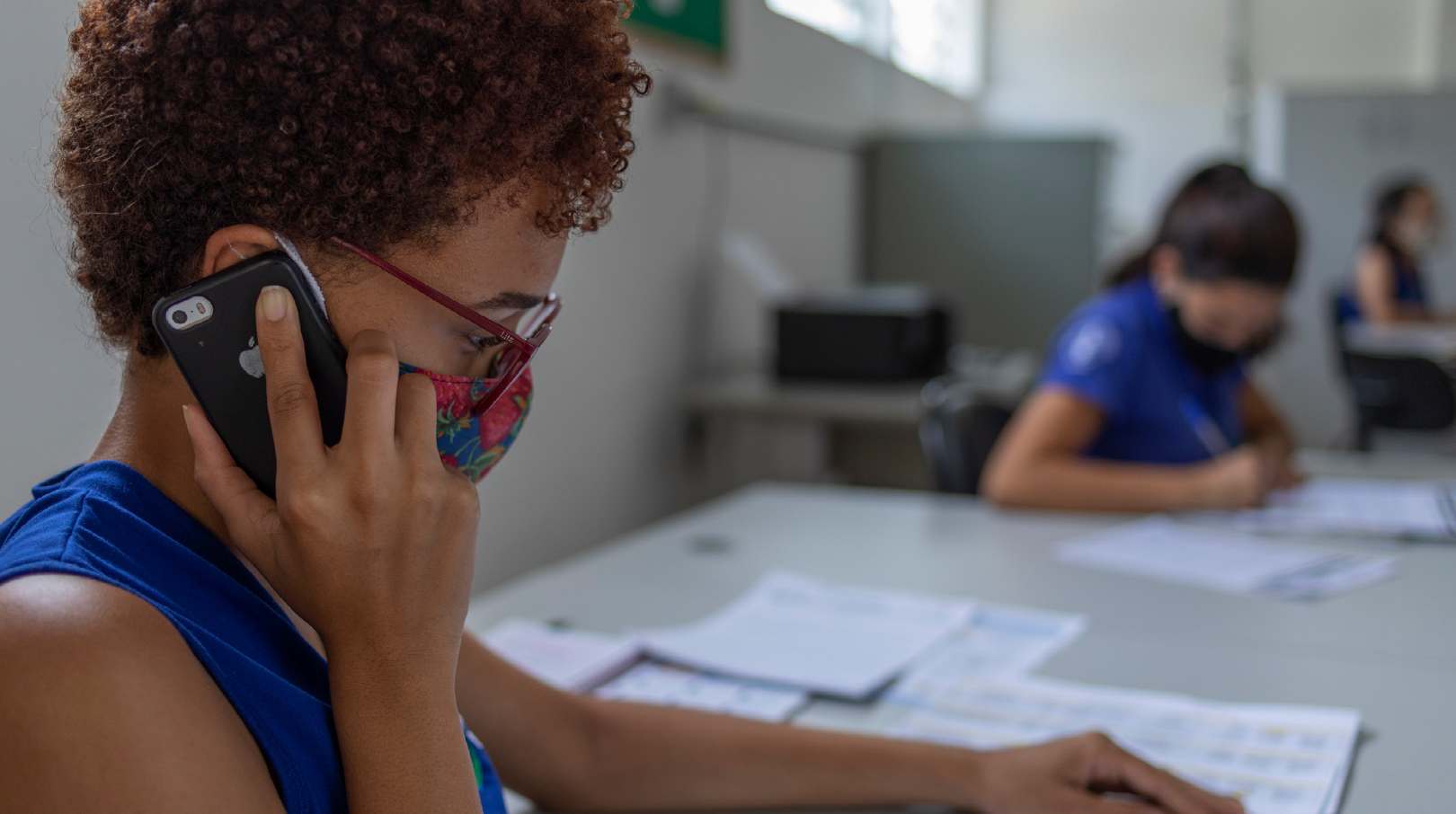
Parenting: How Home Visiting Practices in Brazil Adapted to the Pandemic
Report
Parenting: How Home Visiting Practices in Brazil Adapted to the Pandemic
 Management case studies
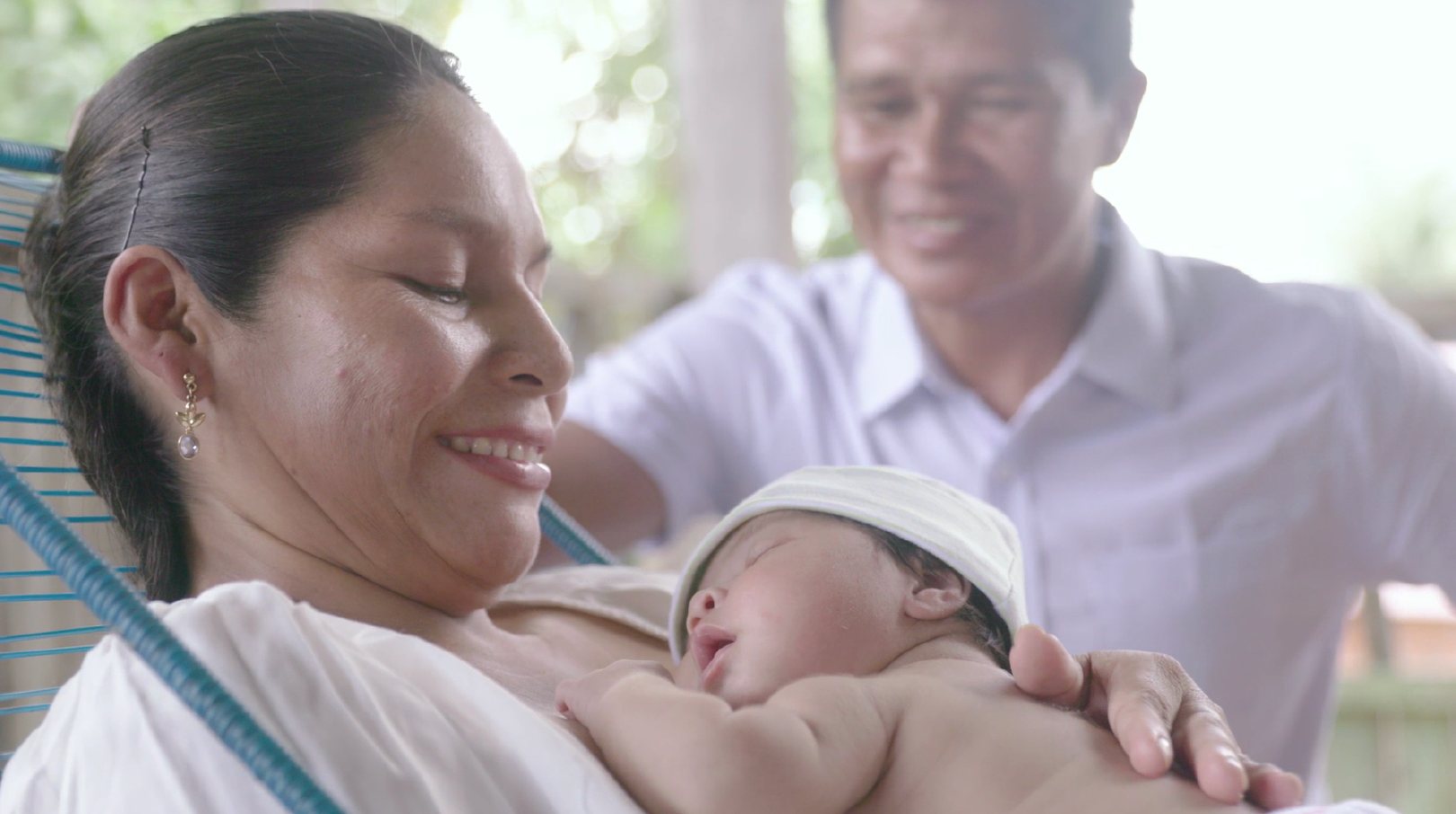
Cuna Más Part Two: Peru’s Home Visiting Programme Evolves into a Comprehensive Early Childhood Development Strategy
Management case studies
Cuna Más Part Two: Peru’s Home Visiting Programme Evolves into a Comprehensive Early Childhood Development Strategy
 Management case studies
Cuna Más Part One: Peru’s Early Childhood Programme Struggles to Maintain Quality as it Scales Up
Management case studies
Cuna Más Part One: Peru’s Early Childhood Programme Struggles to Maintain Quality as it Scales Up